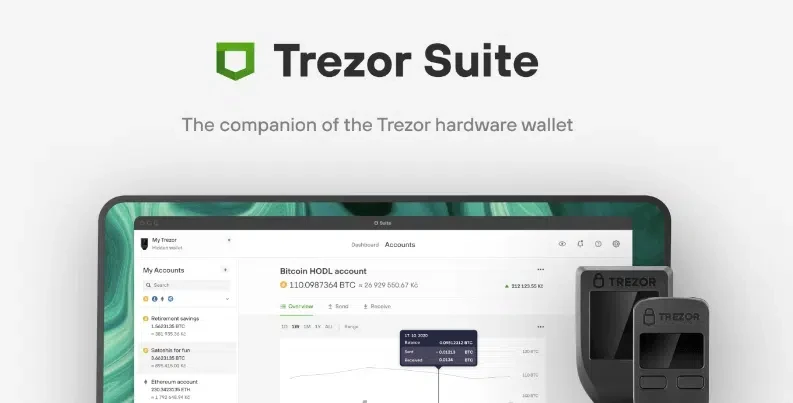
In the world of digital finance, security is not optional—it is essential. With cryptocurrency ownership increasing globally, protecting digital assets becomes a responsibility every investor must take seriously. Hardware wallets like Trezor have emerged as one of the safest ways to store crypto, adding layers of physical and digital protection. Yet many new users often have questions about how the Trezor login process works, especially since it differs from traditional password-based systems. This guide breaks down everything you need to know about the Trezor login system, how it works, how to set it up, and why it is considered one of the safest ways to access crypto assets.
What Is Trezor Login?
The Trezor login process refers to how users access and authenticate themselves on their Trezor hardware wallet and companion software. Unlike online accounts that require a username and password, Trezor uses a physical device for authentication. That means no one can log in to your wallet unless they have the physical hardware device and know your PIN or passphrase. This unique approach eliminates the vulnerabilities of online passwords, phishing attacks, and centralized data breaches.
Trezor login revolves around three essential components:
The Trezor hardware wallet – acts as the security key.
PIN code – protects the device from unauthorized access.
Passphrase (optional but recommended) – an additional security layer for advanced users.
Understanding these layers helps you get the most out of Trezor’s strong security features.
How Trezor Login Works
Unlike typical crypto wallets or exchanges where you simply enter login details, Trezor requires physical verification. Below is the basic flow of the Trezor login process:
1. Connect Your Trezor Device
To begin, plug your Trezor Model One or Trezor Model T into your computer or mobile device using the USB cable. You will see prompts either on the computer screen or directly on your device display, depending on the model.
2. Unlock with Your PIN
When you first set up your Trezor device, you created a PIN code. During login, the device will ask you to enter that PIN. This step protects your device from unauthorized use if someone ever gains physical access to it.
If the wrong PIN is entered multiple times, the device introduces a time delay. This exponential delay makes brute-force attacks virtually impossible.
3. Use the Trezor Interface
After entering the correct PIN, the device connects to the Trezor interface. This could be a desktop application or a browser-based environment depending on your setup.
4. Optional Passphrase Entry
If you enabled passphrase protection, you will now be asked to enter it. The passphrase acts like an extension of your recovery seed, creating an entirely new wallet hidden behind your main one. Without the exact passphrase, nobody can access this hidden wallet—even if they know your seed.
5. Access Your Crypto Dashboard
Once authenticated, you can view your balances, send or receive cryptocurrencies, manage tokens, and perform transactions. Every outgoing transaction must be manually confirmed on the hardware device. This ensures hackers cannot remotely transfer your funds.
This multi-step login mechanism might feel different from conventional logins, but it significantly enhances security by making unauthorized access extremely difficult.
Why Trezor Login Is So Secure
Trezor is known for being one of the safest crypto wallets in the world. Here’s why the login process is particularly secure:
• No Passwords Stored Online
There are no traditional login credentials that can be stolen or leaked. Your access depends on the physical device.
• PIN Protection
Even if someone steals your device, they cannot access it without the correct PIN.
• Passphrase Adds Hidden Wallets
This optional feature creates a secret wallet environment that remains invisible to anyone without the correct passphrase.
• Offline Key Storage
Your private keys never leave the device, even during login. This means malware on your computer cannot extract them.
• Human Confirmation Required
Every important action must be physically approved on the device screen. This prevents remote hacking attempts.
These features combine to create a highly secure environment that is far more robust than custodial exchanges or software-only wallets.
Step-by-Step Guide: First-Time Trezor Login
If you are new to Trezor, here is a simplified, beginner-friendly walkthrough:
1. Connect Your Trezor to Your Computer
Use the USB cable included with the device. The screen will light up and show initial instructions.
2. Install the Required Software
When prompted, install the official companion interface. This will allow your computer to communicate with the hardware safely.
3. Create a PIN
Set a secure PIN. Avoid simple patterns like 1234 or your birth year. A strong PIN is essential to protect your login process.
4. Write Down Your Recovery Seed
You will receive a list of words—your recovery seed. Write them down on paper, never on a phone or online note. This seed is your backup for restoring access if your device is lost or damaged.
5. Log In Using PIN
Every time you connect your device afterward, enter your PIN to authenticate.
6. Add a Passphrase (Optional)
If you want an added layer of security, enable passphrase protection. This creates a hidden wallet accessible only through the chosen passphrase.
This completes your initial setup and prepares you for future secure logins.
Common Trezor Login Issues and Fixes
Sometimes users encounter obstacles during login. Here are the most common issues and how to solve them:
1. Wrong PIN Entry
If you enter the wrong PIN too many times, the device introduces a delay. The best solution is to be patient and enter it carefully next time.
2. Device Not Detected
This can happen due to:
Damaged USB cable
Outdated software
Faulty connection port
Trying a different cable or port usually resolves the issue.
3. Forgot Passphrase
If you forget your passphrase, the wallet it protects becomes inaccessible. Passphrases are never stored, so it’s crucial to keep track of them.
4. Browser Compatibility Issues
Some browsers may block communication. Switching to a supported browser resolves the login problem.
These issues are generally easy to solve and rarely compromise your funds.
Best Practices for a Safe Trezor Login Experience
To maintain top-level security, follow these tips:
Always enter your PIN in private.
Never share your recovery seed with anyone.
Use a strong and unique passphrase.
Keep your hardware wallet physically safe.
Avoid connecting your device on public or untrusted computers.
Update your device firmware regularly.
Enable additional security settings when available.
Consistently applying these practices ensures smooth and secure access every time you log in.
Final Thoughts
Trezor login is intentionally designed to prioritize user security. Unlike traditional digital accounts that rely on passwords, Trezor’s login structure uses physical verification combined with PIN and optional passphrase protection. This approach drastically reduces the risk of unauthorized access or cyberattacks. While the system may seem different at first, it offers one of the safest ways to manage and protect your cryptocurrency assets.